
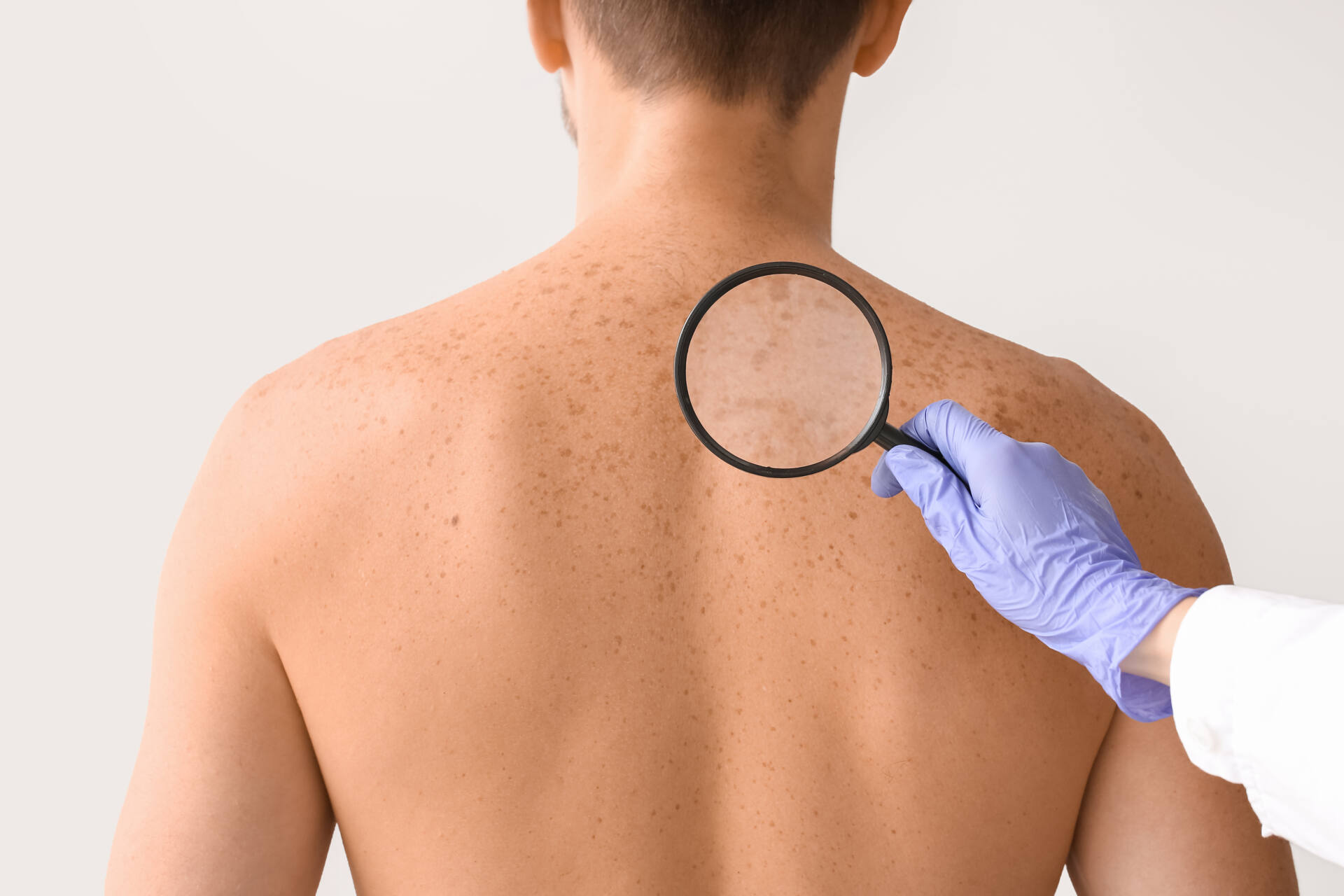
Skin Cancer Myths vs. Facts: What Every Man in the Lowcountry Should Know
- services
- skin-conditions
- skincare-tips
Most people think they would notice if something was wrong with their skin. But skin cancer does not always look the way you expect — and a few persistent myths may be keeping men from getting checked before it matters most.
Men are significantly less likely than women to schedule preventive skin checks and are twice as likely to be diagnosed with melanoma. Here in South Carolina, where sun exposure is year-round, that gap has real consequences.
Myth #1: “I Would Notice If Something Was Wrong”
Fact:Skin cancer often develops in places you cannot easily see — or in ways that look like nothing unusual.
The upper back, the scalp under thinning hair, behind the ears, between the toes — these are spots that go undetected for years without a professional skin check. A full-body exam covers everything, including the areas you did not think to look.
Here are five spots men most commonly miss:
-
The scalp— especially under thinning hair, where UV exposure is significant and nearly impossible to self-check
-
Behind and around the ears— a frequently forgotten zone that sees daily sun
-
The upper back— highest UV exposure on the body, and one of the hardest to see on your own
-
The lips— changes here are often dismissed as dryness or chapping
-
Between the toes— melanoma can develop in areas that never see the sun, and is often caught late here
Myth #2: “It Only Happens to People Who Burn Easily”
Fact:Anyone can develop skin cancer, regardless of skin tone or sun sensitivity.
Fair skin increases risk, but skin cancer affects all complexions. People with darker skin tones are often diagnosed at later stages because it is less commonly suspected. No skin type is exempt.
Myth #3: “If It Does Not Look Like a Mole, It Is Probably Fine”
Fact:Skin cancer can look like a scaly patch, a sore that will not heal, or a spot on the lip written off as chapping.
The ABCDEs of melanoma are a helpful guide, but they describe just one presentation. If something on your skin is changing, bleeding, or not healing, it deserves professional attention.
Myth #4: “I Wear Sunscreen, So I Am Covered”
Fact:Sunscreen protects against new UV damage — it does not catch changes that are already developing.
Skin checks and sun protection work together. One does not replace the other.
Myth #5: “Skin Cancer Is Highly Curable, So It Is Not a Big Deal”
Fact:It is highly treatablewhen caught early.That is the part that matters.
Melanoma carries a five-year survival rate of approximately 99% when detected at its earliest stage. That number drops significantly with delayed diagnosis. Early detection is what makes treatment effective.
When to See a Dermatologist
Do not wait if you notice a spot that is changing, a sore that will not heal, or anything that simply does not look right. Your instinct is worth following up on.
AtCharleston Dermatology, our team provides thorough, head-to-toeskin cancer screeningsin a comfortable, physician-led practice.Book your appointment today.