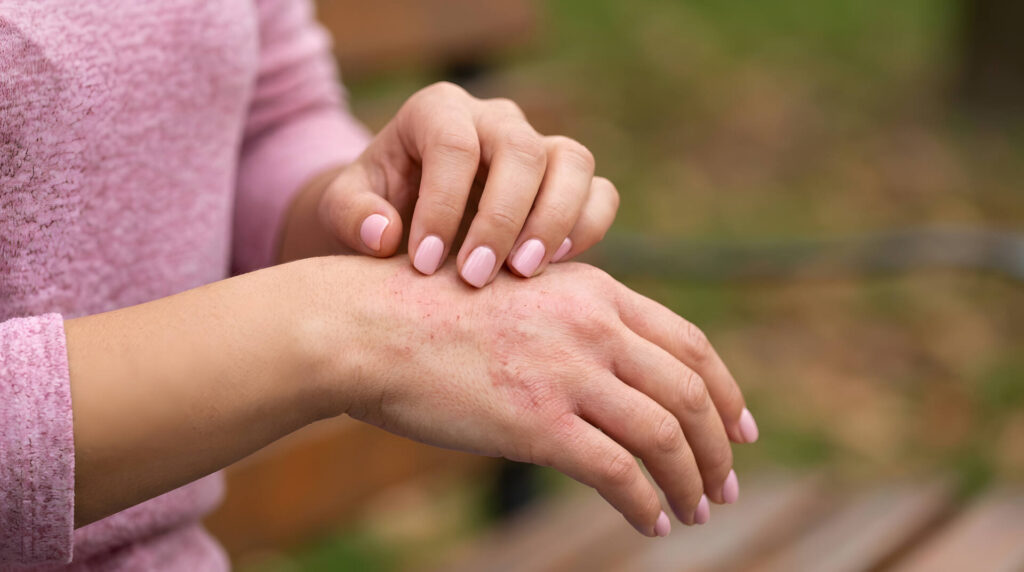

November is Healthy Skin Awareness Month. Learn skin cancer warning signs, how melanoma and basal cell differ, and when to book a skin check.
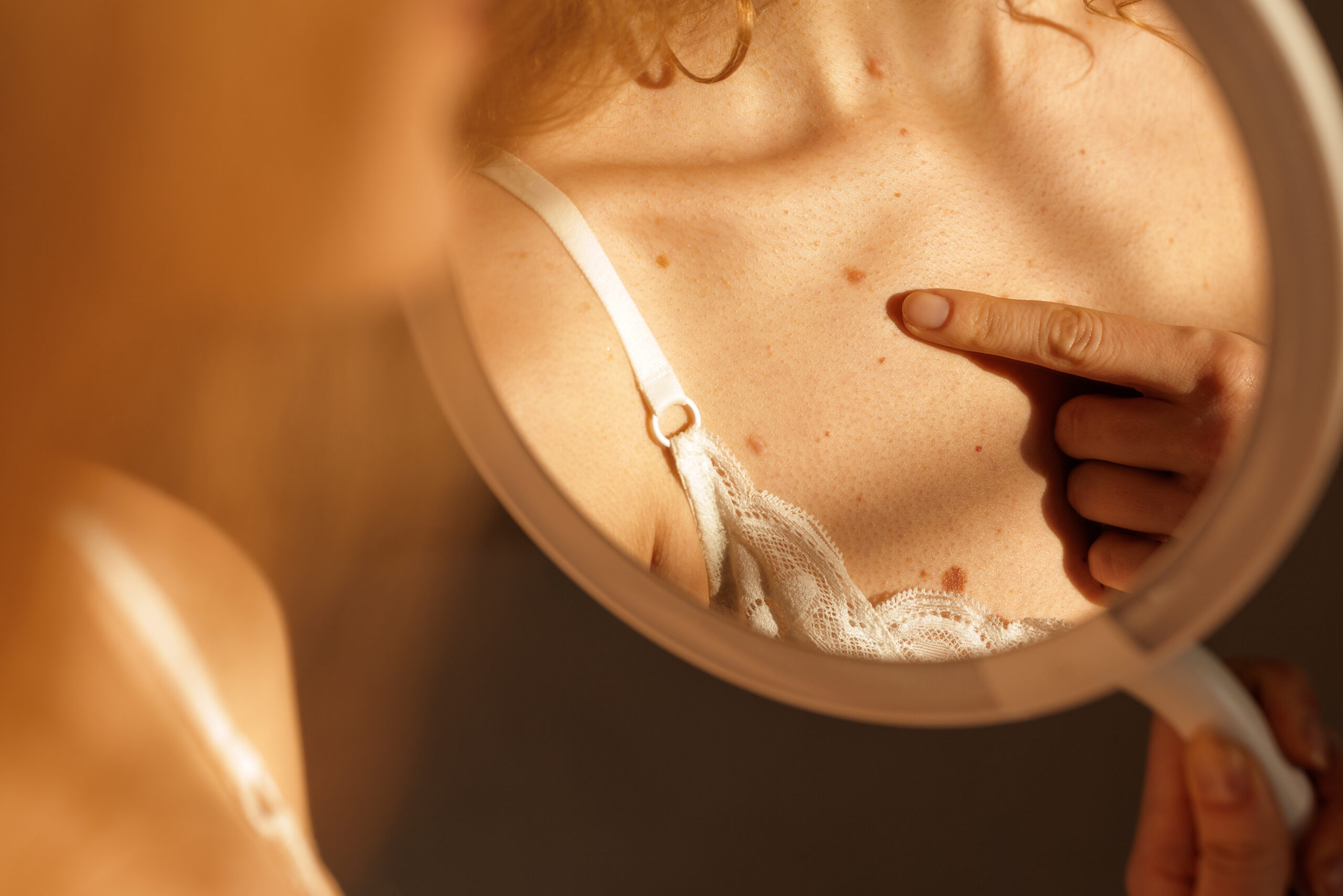
You notice a new spot on your arm, or a mole that looks a little different than it did last year. Most of the time, it turns out to be nothing. But how do you know? Knowing the skin cancer warning signs, and the difference between melanoma and basal cell carcinoma, can help you decide when it’s time to call a dermatologist.
November is Healthy Skin Awareness Month, which makes it a good time to learn the basics. Here is what to look for, when to get checked, and why catching things early matters so much.
Why Early Detection Matters
Skin cancer is the most common cancer in the United States. That number sounds scary, but here is the reassuring part: skin cancer is highly treatable when it’s found early. Melanoma, the most serious type, is far easier to treat when it’s caught before it spreads.
The goal of a skin check is not to find something to worry about. It’s to catch small changes while they are still small.
Who Is More Likely to Develop Skin Cancer?
Anyone can get skin cancer, no matter their skin tone. Some people have a higher chance, including those who:
- Have fair skin that burns easily
- Have many moles
- Have a family history of skin cancer
- Have had blistering sunburns, especially in childhood
If any of these sound like you, it’s worth mentioning to your dermatologist so they can set up the right checkup schedule for you.
How to Spot Melanoma: The ABCDE Rule
Melanoma (muh-luh-NO-muh) starts in the cells that give skin its color. Dermatologists use the ABCDE rule to help people tell a normal mole from one that needs a closer look:
- Asymmetry: One half of the spot doesn’t match the other half.
- Border: The edges are ragged, blurry, or uneven.
- Color: The spot has more than one color, such as shades of brown, black, tan, red, or blue.
- Diameter: The spot is larger than a pencil eraser, although melanomas can be smaller.
- Evolving: The spot is changing in size, shape, color, or feel. It may also itch, crust, or bleed.
“Evolving” is a big one. A spot that is changing is worth having checked, even if it doesn’t match the other letters.
What Basal Cell Carcinoma Can Look Like
Basal cell carcinoma is the most common type of skin cancer. It grows slowly and usually does not spread to other parts of the body, but it still needs treatment. It often shows up on areas that get a lot of sun, like the face, ears, neck, and shoulders.
Common signs include:
- A pearly or waxy bump
- A flat, flesh-colored or brown scar-like patch
- A sore that heals and then comes back, or never fully heals
What Squamous Cell Carcinoma Can Look Like
Squamous cell carcinoma is another common type. It can also appear on sun-exposed skin, and it may look like:
- A firm, red bump or nodule
- A scaly, crusted patch of skin
- A sore that doesn’t heal
Melanoma vs. Basal Cell at a Glance
Melanoma often looks like a dark or multicolored spot, or a mole that changes over time. Basal cell carcinoma more often looks like a pearly bump or a sore that won’t heal. Because skin cancers can look different from person to person, this is only a rough guide. Only a dermatologist can tell you what a spot really is.
How Often Should You Get a Skin Check?
Every person is different, so talk with your dermatologist about what makes sense for you. In general:
- Average risk: A full-body skin exam once a year is a common recommendation.
- Higher risk: Every 6 to 12 months may be a better fit if you have fair skin, lots of moles, a family history of skin cancer, or a history of blistering sunburns.
Between visits, try a quick self-check once a month. Look at your whole body, including your scalp, the backs of your legs, and between your toes. A partner or family member can help with spots you can’t see.
What to Expect at a Skin Check
A skin exam is quick and usually painless. Your dermatologist will look closely at your skin from head to toe, often using a small handheld light and magnifier. If a spot looks unusual, they may suggest a biopsy, which means removing a small sample to look at under a microscope. Many people are surprised by how simple the process is.
As with any medical visit, it helps to come prepared. Make a note of any spots that have changed, and let your provider know about your family history and sun exposure.
When to See a Dermatologist
It’s a good idea to schedule a visit if you notice:
- A new spot that looks different from your other moles
- A mole that is changing in size, shape, or color
- A sore that won’t heal after a few weeks
- A spot that itches, bleeds, or crusts over
- A scaly patch or bump that keeps coming back
Don’t wait for your next routine visit if something looks off. Early answers are almost always better than waiting.
Make Your Skin Check a Year-End Priority
The end of the year is a smart time to book. Many insurance benefits reset on January 1, and schedules fill up quickly in the weeks around the holidays. Scheduling your skin check now can help you start the new year with peace of mind.
The dermatologists at Charleston Dermatology diagnose and treat skin conditions for patients of all ages. If you’re due for a skin check, or if a spot has been on your mind, schedule an appointment and we’ll take a look.
Book a Consultation
It’s easy and free!